
Cocktail measurements: ml, cl, oz and parts
Short answer
The examples illustrate different measurement problems, not a popularity ranking. Margarita demonstrates parts, Negroni equal measures, and Daiquiri a recipe containing both liquid volume and spoon-measured sugar.
Choose one measurement column
Kokto keeps the published recipe amount alongside converted cl and oz values. Use the ml column throughout if your jigger has milliliter marks, or use the oz column throughout with an ounce jigger. Converted displays are rounded; repeatedly switching between columns can introduce rounding differences. The original recipe quantity remains the reference.
How parts work in the Margarita
Kokto’s Margarita lists 50 ml tequila, 25 ml triple sec and 25 ml lime juice: 2:1:1. Here one part is 25 ml. The three liquids total 100 ml before shaking and dilution. Salt and the optional lime garnish are not liquid parts. Choosing a different part size changes the serving volume; it does not change the proportions.
Why not convert every ingredient to ounces?
A fluid ounce measures volume; a weight ounce measures mass. A pinch of salt, a dash of bitters, a fruit piece and a spoon of sugar do not have a universal conversion to liquid ml. Follow their written quantities and preparation notes. In the Daiquiri example, the sugar is specified in bar spoons; do not reinterpret those as fluid ounces or silently replace the sugar with syrup.
Scale the recipe, not just its spirit
For two servings, scale all measured ingredients consistently and follow the original preparation method. The party planner can calculate shopping quantities, but larger quantities do not prove that a drink can be shaken in one batch. Keep serving size, dilution, garnishes and available equipment in view.
Compare the recipes
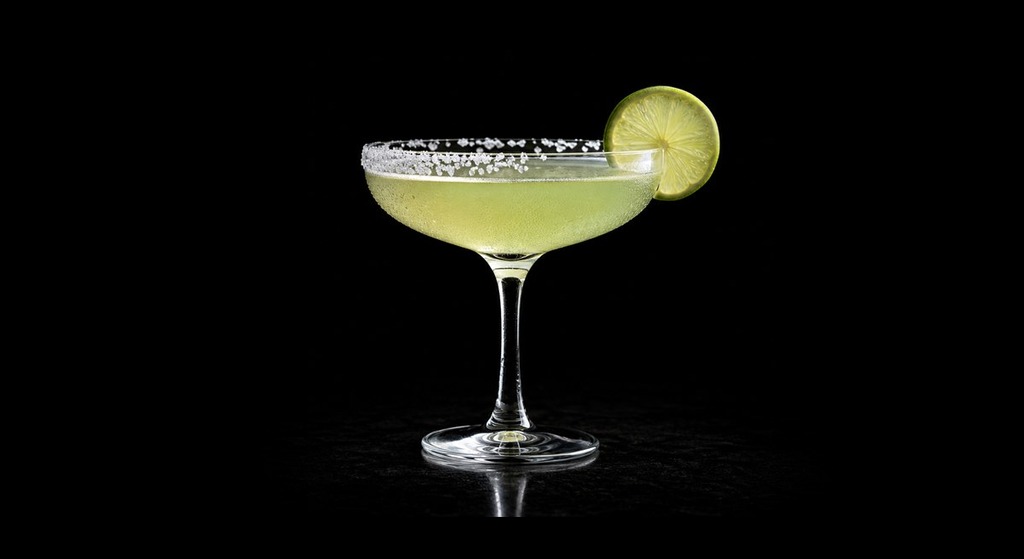 Shaken · 6 minutes
Margarita
50 ml Tequila Blanco · 25 ml Triple Sec · 25 ml Lime Juice
Open the complete recipe for steps, optional garnishes and the tasting profile.
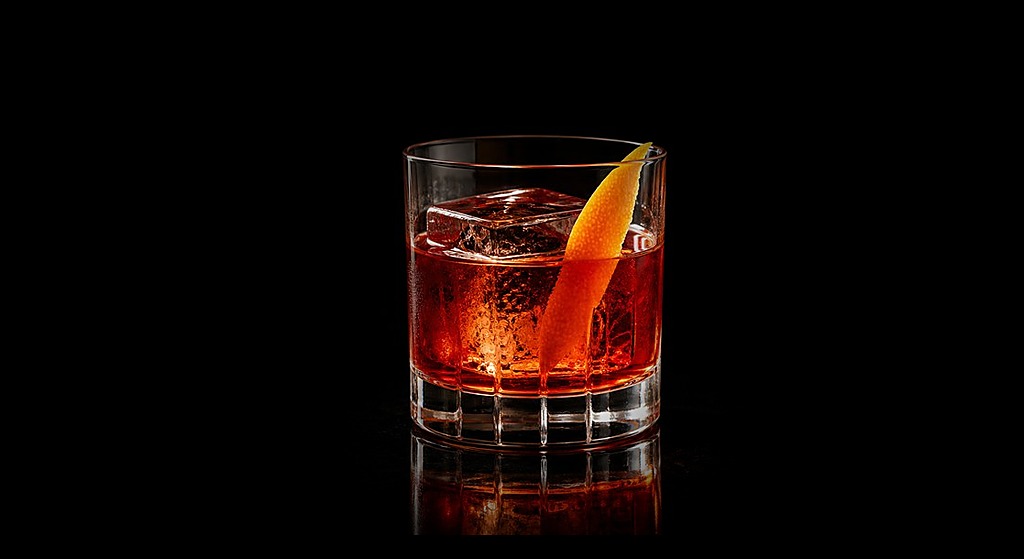 Stirred · 5 minutes
Negroni
30 ml Gin · 30 ml Red bitter aperitif · 30 ml Sweet Vermouth
Open the complete recipe for steps, optional garnishes and the tasting profile.
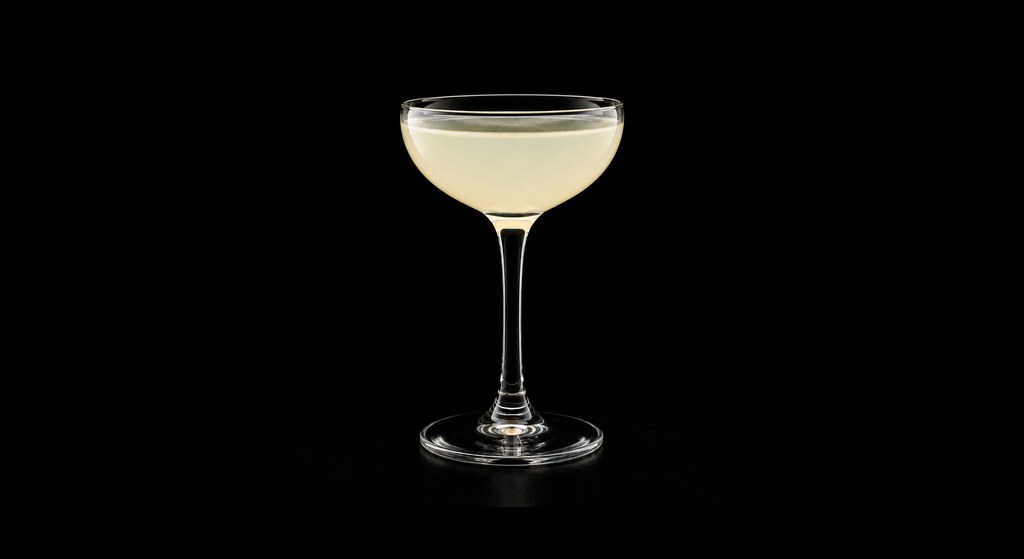 Shaken · 5 minutes
Daiquiri
60 ml White Rum · 20 ml Lime Juice · 2 bar spoons White Sugar
Open the complete recipe for steps, optional garnishes and the tasting profile.
Quick answers
Is 30 ml exactly one ounce?
No. NIST gives approximately 29.57 ml for one US fluid ounce. Thirty ml is a convenient rounded amount, not an exact equality. Kokto converts its recipe ml quantities using the US fluid-ounce factor and rounds the displayed result.
What does 2 parts mean?
Twice your chosen one-part measure. If one part is 25 ml, two parts are 50 ml. Choose the part size once and apply it consistently to the liquid ratio.
Does the liquid total equal the finished drink volume?
Not necessarily. Ice dilution and the preparation method affect the finished drink. The Margarita’s 100 ml ingredient total is a pre-dilution quantity, not a guaranteed final volume.
Evidence
Sources & editorial note
Selection and worked examples use the linked Kokto recipe specifications. Catalog review does not mean these drinks were newly taste-tested for this guide.
- NIST: US customary to metric conversionsUS fluid-ounce conversion; accessed 24 September 2026. Worked recipe ratios are calculated from the linked Kokto specifications.
- Margarita: recipe and original source notesCocktail App ingredient and recipe seed v1
- Negroni: recipe and original source notesCocktail App ingredient and recipe seed v1
- Daiquiri: recipe and original source notesInternational Bartenders Association — Daiquiri