
A Three Ingredient Cocktail Guide for Home Bars
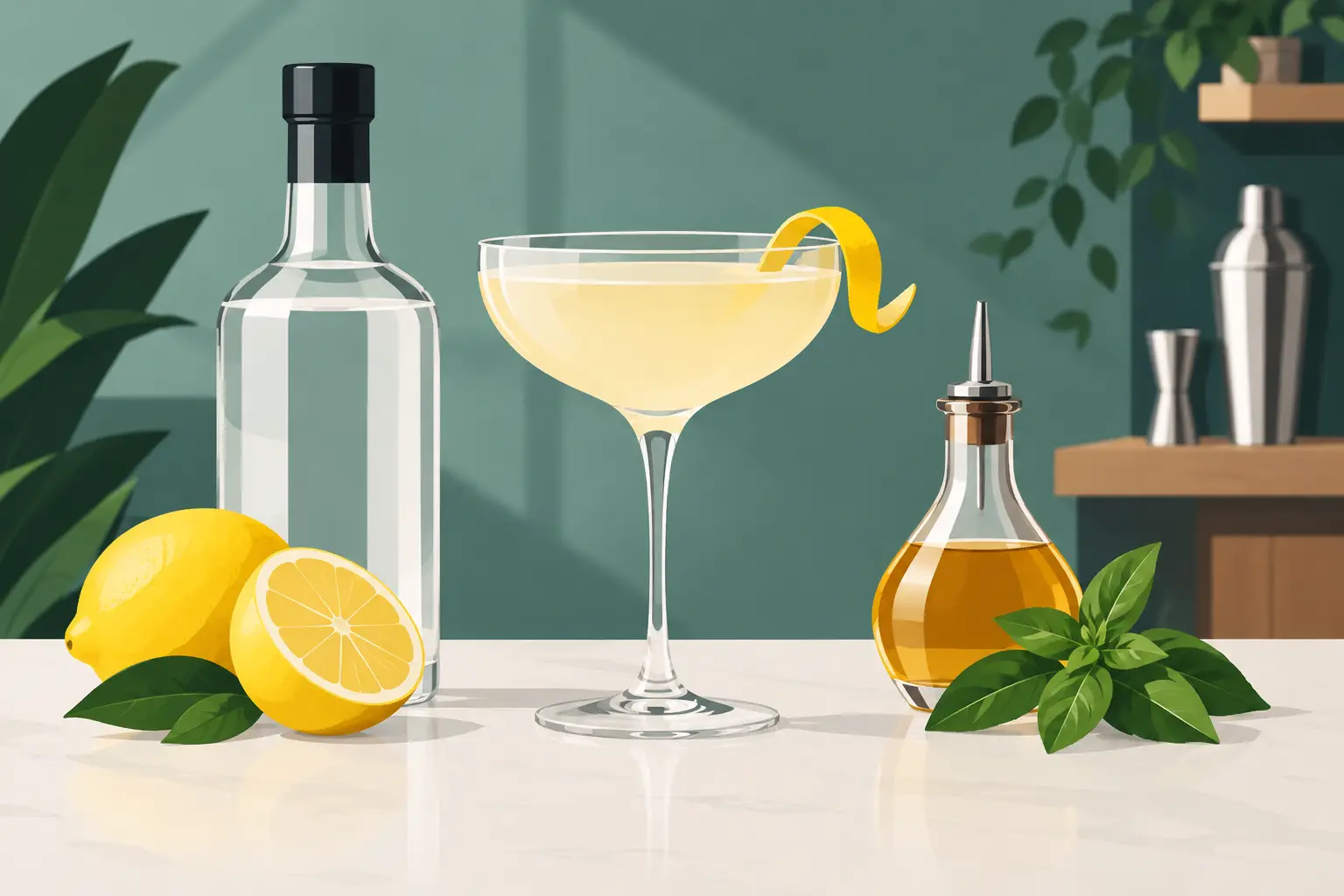
A good three ingredient cocktail guide is less about doing more with less than it is about seeing what each bottle is supposed to do. With only three components, there is nowhere for a harsh spirit, flat sweetener, or weak citrus element to hide. That makes these drinks practical for a home bar, but also surprisingly exacting.
For the home bartender, the appeal is clear: fewer purchases, less prep, and recipes that are easy to repeat for two people or a full round. The useful question is not simply, What can I make with three ingredients? It is, Which three ingredients create a drink that is balanced enough to make again?
What Makes a Three Ingredient Cocktail Work
Most successful three-ingredient drinks follow a simple structure: a base spirit, an ingredient that changes its flavor or texture, and an ingredient that supplies balance. That final role may be citrus juice, vermouth, a liqueur, sparkling wine, or a sweetened mixer. The ingredients can overlap in function, but the drink still needs a clear relationship between strength, sweetness, acidity, bitterness, and dilution.
Consider the Daiquiri: rum provides weight and character, lime provides acid, and simple syrup rounds out the lime without burying the rum. A Manhattan takes a different route. Whiskey is the base, sweet vermouth softens and aromatizes it, and bitters add a concentrated bitter-spice note. The recipe has no citrus, yet it remains balanced because vermouth supplies sweetness and acidity while bitters create contrast.
This is why ingredient count is not a measure of difficulty. A Gin and Tonic has two ingredients, but choosing a gin with enough botanical character and using fresh, lively tonic makes a real difference. A Negroni has three equal parts, but its balance depends on whether you want a bracing aperitif or a softer drink served over plenty of ice.
Start With What Is Already in Your Bar
The most efficient way to find a three-ingredient drink is to start with the bottle you want to use. Pick a base spirit, then identify the balancing ingredients you actually have. This avoids the familiar pattern of choosing a recipe first and buying five items for one drink.
If you have vodka, gin, tequila, rum, whiskey, or brandy, look next for a few useful partners: lemons and limes, simple syrup or sugar, vermouth, tonic water, soda water, ginger beer, orange liqueur, coffee liqueur, Campari-style bitter aperitifs, or sparkling wine. You do not need all of them. A small group of versatile modifiers will create more options than a shelf of one-purpose bottles.
Fresh citrus changes the calculation. Lemon and lime are often the one meaningful missing item between a drink that is possible and a drink that is genuinely good. Bottled juice can work in a limited pinch, especially in larger mixed drinks, but it usually lacks the brightness needed in a minimalist sour. If citrus is doing one-third of the work, buy it fresh.
A searchable home-bar tool such as Kokto is most useful here when it distinguishes recipes you can make now from recipes that are one meaningful item away. A missing garnish is rarely a reason to stop. Missing lemon juice, dry vermouth, or tonic water may be the real gap. Seeing that difference helps you make a better decision before another store run.
Build Around Four Reliable Cocktail Patterns
The sour: spirit, citrus, sweetener
The sour is the most useful three-ingredient pattern to learn because it works across several spirits. Start with 2 ounces of spirit, 3/4 ounce fresh lemon or lime juice, and 3/4 ounce simple syrup. Shake hard with ice, then strain into a chilled coupe or pour over fresh ice in a rocks glass.
Rum makes a classic Daiquiri with lime. Tequila makes a simple Margarita-style build when orange liqueur takes the place of syrup, though it adds a drier, more orange-forward character. Bourbon with lemon and syrup creates a Whiskey Sour without egg white. Each version changes with the spirit, so adjust rather than treating the ratio as a rule carved in stone. A high-proof bourbon may want a little more lemon; a very dry rum may benefit from a touch more syrup.
The highball: spirit, carbonated mixer, fresh element
Highballs are forgiving, fast, and especially useful when you are making several drinks. A basic formula is 2 ounces of spirit, a fresh citrus wedge or juice, and 3 to 5 ounces of a chilled carbonated mixer. Build in a tall glass over ice and add the mixer last to preserve carbonation.
Gin, lime, and tonic are clean and botanical. Whiskey, ginger beer, and lime make a sharper, more spicy variation. Tequila, grapefruit soda, and lime create a Paloma-style drink, although the sweetness of grapefruit soda varies considerably by brand. Taste before adding extra sugar. In a three-ingredient highball, dilution from ice is part of the recipe, not an accident to avoid.
The stirred aperitif: spirit, vermouth, bitter modifier
Stirred drinks are a good use for bottles that might otherwise sit untouched. A Negroni combines gin, sweet vermouth, and a bitter red aperitif in equal parts. A Manhattan combines rye or bourbon, sweet vermouth, and aromatic bitters. A Martini, at its simplest, uses gin or vodka, dry vermouth, and orange bitters.
The trade-off is that vermouth needs attention. Once opened, refrigerate it and use it within a reasonable period. Old vermouth can turn a precise three-ingredient drink dull or sour in the wrong way. If your stirred drinks have recently tasted flat, check the modifier before changing the base spirit or ratio.
The sparkling serve: spirit, sparkling wine, fruit or liqueur
Sparkling cocktails can be minimal without feeling basic. A French 75-style build uses gin, lemon juice, and sparkling wine. An Aperol Spritz-style drink uses a bitter orange aperitif, sparkling wine, and soda water. These drinks are easy to scale for guests, but they depend on cold ingredients and restrained pouring.
For a French 75-style drink, keep the sparkling wine chilled and add it after the gin and lemon. For a spritz, use a wine glass filled with ice so the drink stays crisp rather than watery. The best ratio depends on the specific sparkling wine and aperitif. A very dry wine can make an aperitif feel more bitter; a sweeter prosecco-style wine can soften it.
The Three Ingredient Cocktail Guide: Common Fixes
When a simple drink misses, diagnose the role that is out of balance instead of adding random extras. If a sour tastes thin and sharp, it may need a small amount more sweetener, not another flavored liqueur. If it tastes heavy, add a little more citrus or use more ice during the shake.
If a stirred drink feels too aggressive, first make sure it was stirred long enough to chill and dilute. If it still feels hot, reduce the base spirit slightly or increase vermouth by a quarter ounce. If a highball tastes bland, the usual culprit is warm or under-carbonated mixer, not a lack of ingredients.
Glassware and ice matter more than elaborate garnish here. Use fresh ice for serving, particularly after shaking or stirring. A large rocks glass with a full scoop of ice keeps a Negroni cold. A chilled coupe helps a Daiquiri stay focused. These are small practical choices that protect the recipe’s intended balance.
Buy Ingredients That Create More Than One Drink
A smart home bar grows through overlap. Before buying a new bottle, ask what it adds to the ingredients you already own. Dry vermouth can support Martinis, Bamboo-style drinks, and various gin or vodka serves. Orange liqueur can move between Margaritas, Sidecar-style drinks, and sparkling cocktails. Lemons and limes cover a wide range of sours and highballs.
Specialty syrups and novelty liqueurs are not automatically bad purchases. They make sense when you have a specific occasion or flavor preference in mind. But if your goal is dependable weeknight drinks or a compact party menu, prioritize ingredients that appear across multiple recipes. One bottle that opens six credible options is more useful than one bottle that makes a single social-media drink.
For guests, choose two complementary three-ingredient cocktails rather than offering a long menu. A shaken citrus drink and a built highball give people different styles while keeping your prep manageable. Make sure each drink has a distinct base spirit, and keep a nonalcoholic sparkling option cold as well.
The next time you look at your bar, choose one bottle, one balancing ingredient, and one modifier that earns its place. Make the drink once, adjust it with intention, and write down the ratio you would gladly serve again.