
How to Make Oleo Saccharum for Better Cocktails
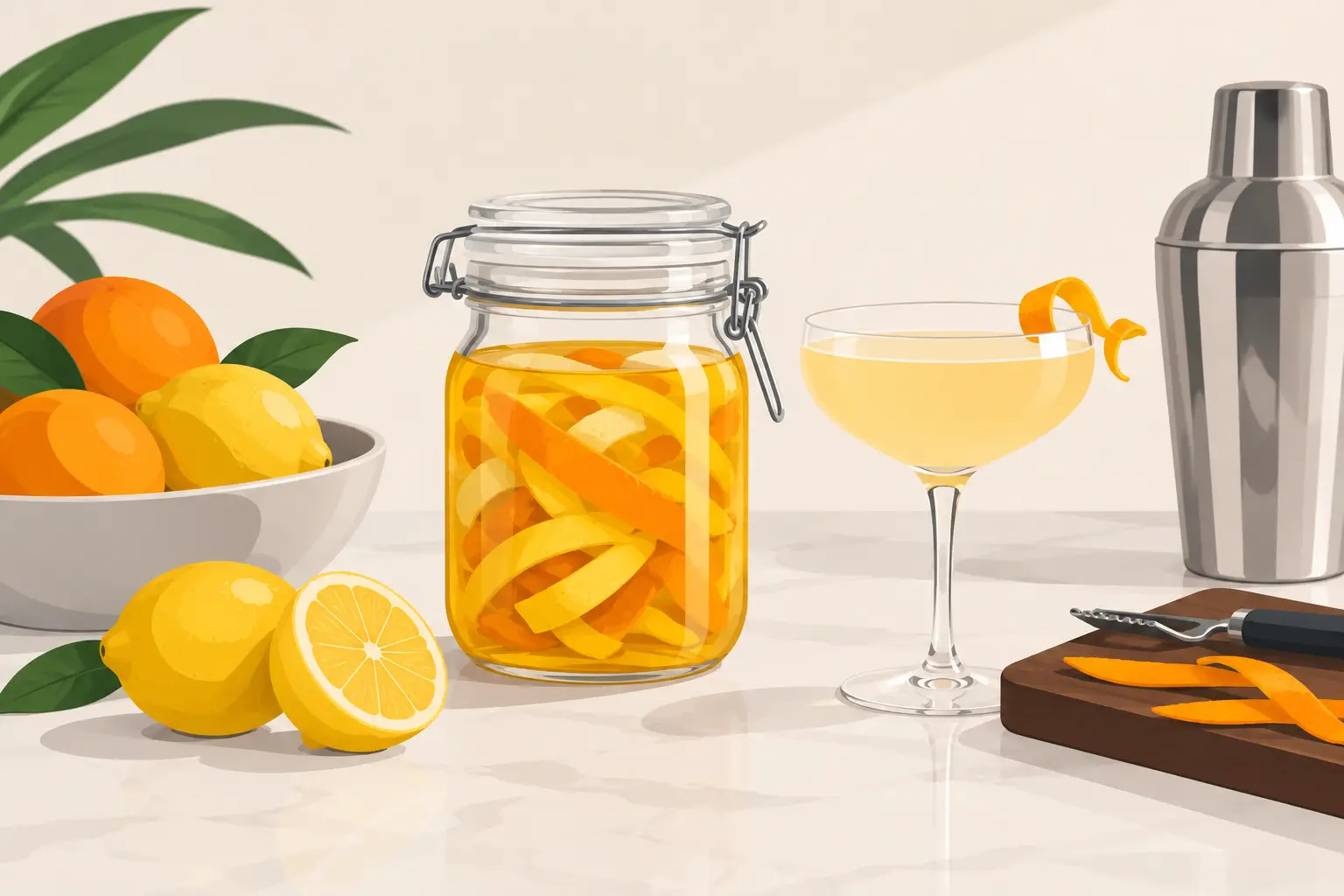
A bowl of citrus peels and sugar can solve a surprisingly common home-bar problem: how to get vivid, fresh citrus character into a drink without adding another bottle. Learning how to make oleo saccharum gives you a concentrated citrus sweetener built from ingredients that might otherwise go to waste. It is especially useful when you are making punches, old-fashioned-style drinks, or cocktails that need more aroma than plain simple syrup can provide.
Oleo saccharum is not difficult, but it rewards a little patience. The difference between a fragrant, golden syrup and a dull, bitter one usually comes down to the peel, the sugar, and the wait.
What oleo saccharum is and why it works
Oleo saccharum means oil sugar. It is made by combining citrus peels with sugar, which pulls the aromatic oils from the peel and creates a richly perfumed syrup. Those oils live primarily in the colored outer skin, not the white pith underneath. That is why careful peeling matters.
The result is sweeter and more aromatic than citrus juice. Lemon juice brings tartness; oleo saccharum brings the bright scent released when you twist a lemon peel over a finished cocktail. Used together, they create a fuller citrus profile than either ingredient can deliver alone.
It is also a practical prep ingredient. If you are juicing lemons, oranges, or grapefruit for drinks, save the peels and turn them into something useful. A small batch can flavor several rounds of cocktails or become the sweet base for a party punch.
How to make oleo saccharum at home
Start with clean, unwaxed citrus when possible. Since you are extracting the surface oils, wash and dry the fruit thoroughly even if it is labeled organic. Choose fruit with firm, brightly colored skin and a noticeable citrus aroma.
For a dependable first batch, use the peels from 4 lemons and 1 cup granulated sugar. This ratio is flexible, so do not worry about exact peel weight unless you are scaling up for a crowd. The sugar should generously coat the peels, with enough left to draw out their oils.
Use a vegetable peeler to remove wide strips of zest. Try to leave as much of the white pith on the fruit as possible. A little pith will not ruin the batch, but too much can add a dry, lingering bitterness that is hard to hide in a cocktail.
Place the peels in a nonreactive bowl or jar, add the sugar, and gently muddle or massage them together. You are not trying to pulverize the peels. The goal is to bruise their surface slightly and make sure the sugar is in close contact with the zest. Cover the container and leave it at room temperature.
After about 2 to 4 hours, you should see a glossy, yellow liquid gathering at the bottom. For the fullest extraction, let the mixture sit 8 to 12 hours. Overnight works well. Stir or toss it once or twice if you think of it, but this is optional.
When the sugar has become wet and syrupy, strain out the peels through a fine-mesh strainer. Press lightly to recover the syrup, but do not force fragments of peel through the strainer. Transfer the finished oleo saccharum to a clean, covered bottle or jar and refrigerate it.
A faster method when you need it today
If you need citrus syrup in under an hour, use a finer zest. Finely grate only the colored portion of the peel into sugar, then let it stand for 30 to 60 minutes. The increased surface area speeds extraction considerably.
This shortcut makes an aromatic syrup, though it can be harder to strain cleanly and is more likely to carry in bitter pith if your grater goes too deep. For a large-format punch or a special occasion, broad peel strips and an overnight rest are usually worth the extra planning.
Choose citrus based on the drink you want to make
Lemon oleo saccharum is the most versatile starting point. Its clean, sharp perfume works in whiskey sours, rum punches, Collins-style drinks, and sparkling cocktails. Orange oleo is softer and rounder, making it a natural match for bourbon, brandy, aged rum, and coffee liqueur.
Grapefruit creates a more bitter, floral syrup that works well with tequila, mezcal, gin, and dry sparkling wine. Lime can be excellent with rum or tequila, but its thinner peel yields less oil, so use more fruit than you would for lemons. Mandarin, tangerine, and other easy-peeling citrus produce especially fragrant oleos, though they can taste sweeter and less acidic.
Mixed-citrus oleo saccharum is a useful option for punch. A combination of lemon and orange gives brightness and depth without forcing you to choose one direction. Keep grapefruit to a smaller share unless you specifically want its bitter edge to lead.
Adjust sweetness without losing the point
The basic formula is intentionally forgiving. If your oleo looks dry after several hours, add more sugar and wait. If it seems extremely thick, that is normal. You can use it as a concentrated syrup, or loosen it after straining with a small amount of hot water.
For a pourable bottle syrup, add equal parts hot water and finished oleo saccharum by volume, then stir until dissolved. For example, if you have 1/2 cup of extracted oleo, add 1/2 cup hot water. This makes it easier to measure in drinks, but it also reduces intensity. Keep the concentrated version if you are building a punch and want to control dilution separately.
Granulated white sugar gives the cleanest citrus expression. Demerara or turbinado sugar can be good with orange and dark spirits, adding caramel notes that suit an autumn or whiskey-forward drink. Avoid strongly flavored sugars for your first batch, since they can obscure what the citrus itself is contributing.
Use oleo saccharum in cocktails and punches
Treat oleo saccharum as both a sweetener and an aromatic modifier. Because concentrations vary by citrus, peel thickness, and resting time, start with a little less than the recipe’s stated simple syrup amount. Taste, then adjust.
In a sour-style drink, replace some or all of the simple syrup with lemon oleo saccharum. You may need slightly more fresh lemon juice to maintain the drink’s tart balance. In an Old Fashioned variation, a bar spoon of orange oleo can add a polished orange note without relying only on bitters and garnish.
Its best-known role is in punch. Combine citrus oleo with fresh citrus juice before adding spirits, tea, water, or sparkling ingredients. The sugar and oils help bind those elements into a drink that tastes integrated rather than simply sweet and sour. Make the base ahead, then add ice and carbonation close to serving time.
If you are using a recipe finder or planning from what is already in your bar, think of oleo as a fresh ingredient prep rather than a specialty bottle. It can turn lemons, oranges, and standard sugar into a meaningful flavor upgrade without adding a one-use liqueur to the shelf.
Storage and food-safety basics
Refrigerate strained oleo saccharum in a clean, sealed container. A concentrated, undiluted batch often keeps well for 2 to 3 weeks, while a version diluted with water is best used within 1 to 2 weeks. Label the container with the citrus used and the date you made it.
Discard it if you notice mold, fizzing, cloudiness that was not present when fresh, or an off aroma. Always use a clean spoon or pour from the bottle rather than dipping in with a used bar tool. If you made a large batch for a gathering, freeze extra portions in a small container or ice-cube tray for later cocktails.
Common oleo saccharum problems
If there is not much liquid after several hours, the peels may be too thick, the fruit may be dry, or the sugar may need more contact with the zest. Toss the mixture again, add a little more sugar, and give it time. Heat is not necessary, and aggressive heating can flatten the fresh citrus aroma you are trying to capture.
If the flavor is bitter, pith is usually the cause. Strain the syrup, then balance it in the final drink with fresh juice and dilution rather than trying to correct the entire batch with more sugar. For the next batch, use a sharper peeler and take thinner strips.
If crystals remain, that is not necessarily a failure. The liquid portion still contains plenty of citrus oil. You can strain it as is, or add a small amount of warm water to dissolve the remaining sugar if you need a more fluid syrup.
The first batch does not need to be perfect to be useful. Make it when you are already using citrus, taste it in one simple drink, and note whether your bar benefits more from lemon’s brightness, orange’s warmth, or grapefruit’s bitter perfume. That small habit turns leftover peels into a reliable next step for better cocktails at home.