
How to Balance Sweet and Sour Cocktails at Home
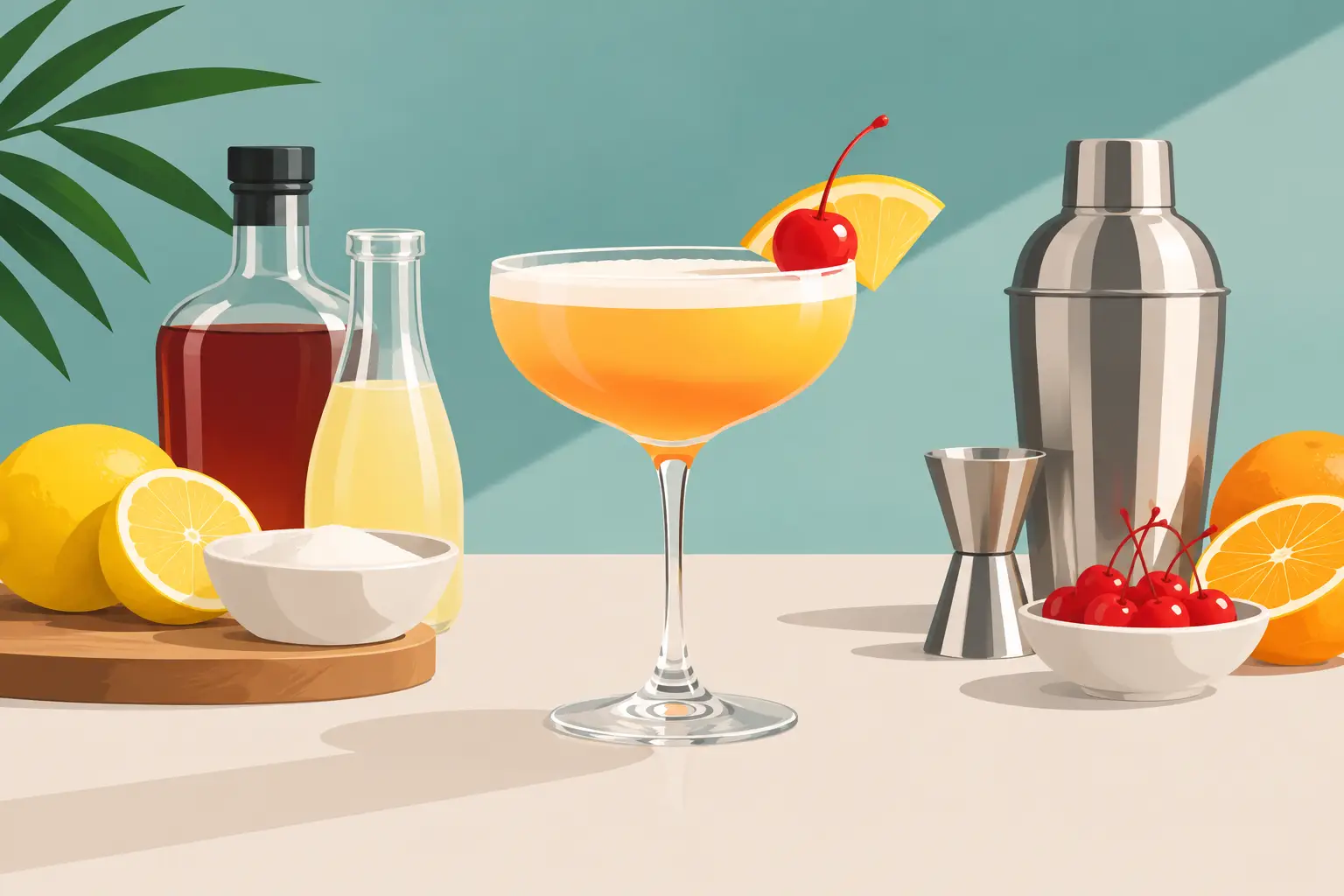
A sour that is too sharp can make a good bottle of bourbon feel thin. One that is too sweet can hide a bright gin or fresh lime behind a candy-like finish. To balance sweet and sour cocktails, you do not need advanced bar tools or a shelf of specialty modifiers. You need to understand what each ingredient is doing, then make small, deliberate adjustments.
The useful part is that balance is not a fixed number. A Daiquiri, Whiskey Sour, Margarita, and Sidecar all work on the same basic conversation between spirit, citrus, sugar, and dilution. But the right answer changes with the proof and flavor of the spirit, the acidity of the fruit, the sweetness of the syrup, and even the amount of ice in your shaker.
What balance means in a sour cocktail
In a well-balanced sour, the first sip has shape. The spirit arrives with enough presence to taste like itself. Citrus brings lift and freshness without making you pucker. Sweetener rounds the acid and carries flavor through the finish. Chilling and dilution tie those elements together.
That last part matters more than it gets credit for. A drink tasted straight from the shaker before it has reached the proper temperature may seem harsh or overly alcoholic. A drink shaken with small, wet, melting ice may become watery before the citrus and syrup have integrated. Balance is about the finished drink in the glass, not only the measured liquids.
It also depends on your goal. A crisp pre-dinner Daiquiri can lean tart. A Whiskey Sour served to a group with snacks may benefit from a softer, rounder profile. Neither choice is wrong if the spirit remains clear and the drink tastes intentional.
Start with a reliable sweet and sour cocktail ratio
For many shaken sours, begin with a 2:1:1 structure: two parts spirit, one part fresh citrus juice, and one part simple syrup. In practical home-bar measurements, that often means 2 ounces of spirit, 1 ounce of lemon or lime juice, and 1 ounce of 1:1 simple syrup.
This is a useful starting point, not a rule to defend. A standard 2:1:1 build can be excellent with a dry, high-proof rum, but feel too sweet with a softer flavored vodka or a low-proof orange liqueur already in the mix. Likewise, a rich 2:1 syrup is roughly twice as sweet as equal-parts simple syrup by volume. If a recipe calls for 1 ounce of simple syrup but you use rich syrup, start closer to 1/2 ounce and taste from there.
Many classic recipes deliberately shift the ratio. A Margarita includes orange liqueur, which supplies sweetness along with citrus character, so its added syrup requirement may be small or nonexistent. A Sidecar often depends on the sweetness of Cointreau or another orange liqueur. A Bee's Knees uses honey syrup, whose floral flavor can be more noticeable than plain sugar at the same perceived sweetness.
The ratio gives you a controlled first attempt. Your ingredients tell you where to go next.
Account for the spirit before you change the sugar
Aged spirits generally bring vanilla, caramel, oak, or baking-spice notes that read as rounder and sweeter than clear spirits. Bourbon may need less syrup than a lean London dry gin, even when both drinks use lemon. Overproof rum and rye whiskey can tolerate more citrus and dilution because they have more intensity to spare.
Liqueurs are the other common variable. If your recipe contains amaretto, triple sec, elderflower liqueur, or a flavored cordial, count it as part of the sweet side of the equation. Do not add full syrup by habit before considering what the liqueur already contributes.
Use fresh citrus, but do not treat every lemon alike
Fresh lemon and lime juice are the foundation of most sours because bottled juice rarely has the same aroma or lively acidity. Still, fresh does not mean consistent. One lime may be piercing and dry; another may be fragrant but mild. Lemons vary by variety, season, and how long they have been sitting in your kitchen.
Taste a small drop of the juice before mixing. If it seems aggressively sour, use a slightly lighter pour of juice or be prepared to add a bar spoon of syrup after shaking. If it tastes muted, the drink may need more juice rather than less sugar. Adding sugar to weak citrus creates sweetness, not brightness.
Juice close to serving when possible. Lemon and lime juice lose some of their fresh top notes as they sit, especially after several hours. For a party, pre-juicing can still be practical. Keep juice cold, label it, and use it the same day for the cleanest results.
A tasting method that prevents overcorrection
The fastest way to lose balance is to make a large adjustment after one sip. Instead, build the drink, shake hard with solid ice for about 10 to 15 seconds, strain it, and taste it cold. If you are testing a recipe, make a small sample rather than repeatedly altering a full drink.
When a drink is not working, identify the problem before reaching for an ingredient. Ask whether the finish is sour, sugary, hot, flat, or simply under-diluted. Those sensations point to different fixes.
- If it is too tart, add 1 teaspoon to 1/4 ounce of syrup, shake briefly with fresh ice, and taste again.
- If it is too sweet, add 1 teaspoon to 1/4 ounce of citrus juice. A tiny pinch of salt can also make acidity feel more integrated without making the drink salty.
- If it tastes hot or disjointed, it may need more dilution rather than more sugar. Shake again with fresh ice or add a small splash of cold water.
- If it tastes flat, check the citrus first. A little more fresh juice, a citrus peel, or a more expressive sweetener can restore definition.
Make one change at a time. This is especially useful when working with honey syrup, agave nectar, maple syrup, or flavored syrups. Each can shift both sweetness and flavor, so a correction that works with plain syrup may not work with honey or orgeat.
Sweeteners change more than sweetness
Plain simple syrup is the cleanest baseline because it lets the base spirit and citrus lead. It is the right choice when you want to understand a recipe before customizing it. Rich syrup adds body and can make a drink feel fuller, but it is easy to overuse.
Honey syrup adds floral warmth and works naturally with gin, bourbon, and some rums. Agave syrup has an earthy note that suits tequila and mezcal, though it can quickly dominate delicate blanco tequila. Demerara syrup adds molasses depth for aged rum and whiskey drinks. Orgeat contributes almond richness and texture, which is why it changes a Mai Tai far beyond its sugar content.
Choose sweetener for the drink you want, then rebalance the citrus. Substitution is not always one-for-one. Start conservatively, particularly with rich, flavored, or commercial syrups.
Ice and glassware are part of the recipe
A sour served up in a chilled coupe will taste more concentrated as you drink it because there is no fresh ice continuing to dilute it. The same build over fresh rocks ice will open up over several minutes. Neither serve is automatically better, but they may call for slightly different balance.
For shaken drinks, use enough good ice to chill and dilute quickly. A shaker that is mostly liquid with a few cubes cannot do the same job. For rocks drinks, strain over fresh ice instead of pouring the shaken ice into the glass, which avoids serving a drink with already-spent, fast-melting cubes.
A salted rim follows the same principle. Salt can make lime and tequila seem brighter while reducing the perception of bitterness. It can also overwhelm a delicate drink. A half rim gives each guest a choice and keeps the first sip from deciding the entire cocktail.
Build confidence from the bottles you already own
You do not need to buy a new modifier every time a sour feels slightly off. Begin with your base spirit, your available citrus, and one dependable sweetener. Then compare recipes that use those same building blocks. Seeing the different proportions across a Daiquiri, Gimlet, Whiskey Sour, or Margarita teaches more than memorizing a single universal formula.
Kokto can help turn that approach into a practical search: start from bottles, mixers, and fresh ingredients already in your bar, then see which reviewed recipes are ready now and which are missing one meaningful item. That makes it easier to use a bottle with purpose instead of buying around a recipe you may only make once.
The next time a sour misses the mark, resist the urge to abandon it or cover it with extra syrup. Taste it cold, name the imbalance, and adjust in a small measure. One careful quarter-ounce often teaches you more about your home bar than another full bottle ever could.