
12 Best Cocktails for Brunch, Chosen by Style
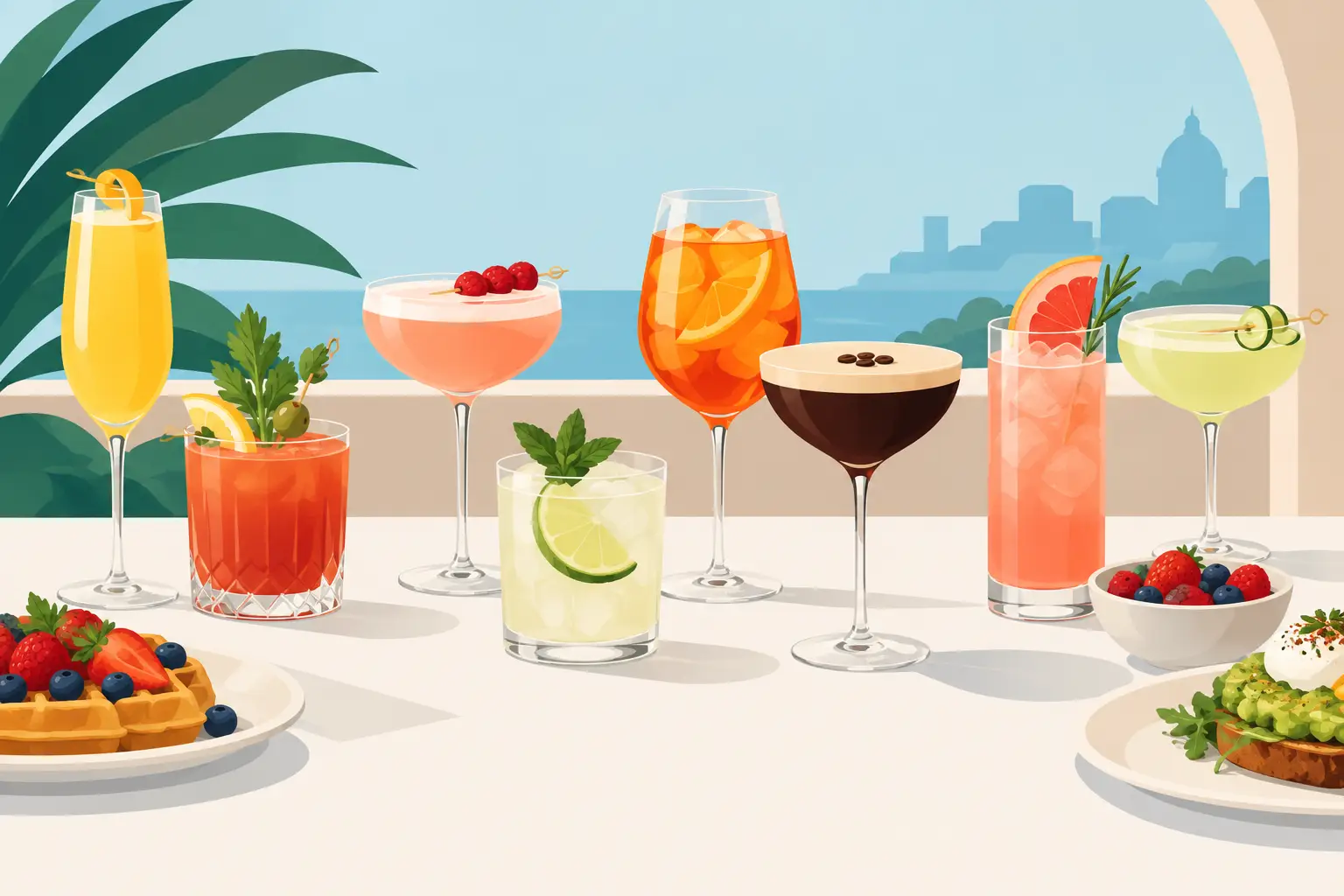
A heavy, spirit-forward drink can make a late breakfast feel like a poor decision by noon. The best cocktails for brunch earn their place differently: they are bright, refreshing, easy to pace, and compatible with food. Start with the bottles, mixers, and fresh ingredients already in your bar, then choose drinks that give guests a clear option rather than an overwhelming menu.
What makes a cocktail work at brunch?
Brunch cocktails tend to succeed when they have acidity, bubbles, juice, or a savory element that keeps them from feeling too dense. That does not mean every drink must contain sparkling wine or orange juice. It means the drink should feel appropriate beside eggs, pastries, fruit, smoked fish, or a rich breakfast sandwich.
A lower-proof serve is usually a practical choice, especially when brunch starts early or runs long. Spritzes, highballs, and juice-forward classics let guests enjoy a second drink without turning the gathering into an all-day commitment. Still, a more concentrated cocktail can work for a smaller group that knows exactly what it wants. The right answer depends on the food, the time, and whether you are making one round or hosting an open-ended table.
Fresh citrus matters more here than it does in many evening drinks. Lemon, lime, grapefruit, and orange bring lift, while good ice keeps a drink cold as people linger over coffee and conversation. If you are buying one fresh item for a brunch menu, citrus is often the purchase that opens the most useful options.
12 best cocktails for brunch
Mimosa
The Mimosa remains a brunch standard because it asks very little of the host and pairs easily with a broad table. Combine sparkling wine with chilled orange juice, using more wine than juice if you want the drink to stay dry and lively. Choose freshly squeezed juice when possible, but a quality refrigerated orange juice is a sensible shortcut for a crowd.
Bellini
A Bellini uses peach purée and sparkling wine for a softer, fruitier alternative to the Mimosa. It is particularly good with pastries, ricotta pancakes, and salty cured meats. Peach purée is more specific than orange juice, so this is best when peaches are the point rather than a one-time specialty purchase.
Bloody Mary
The Bloody Mary is the savory counterweight to sparkling brunch drinks. Vodka, tomato juice, citrus, Worcestershire sauce, hot sauce, salt, pepper, and celery salt form the basic structure. The garnish can be simple - celery and lemon are enough - because the seasoning in the glass does the real work.
This is one of the best cocktails for brunch when the food includes bacon, eggs, hash browns, or anything spicy. Make a nonalcoholic batch of the tomato base first, then add vodka by the glass. Guests can choose their strength, and no one is left with a drink they did not want.
Michelada
A Michelada offers the same savory, spicy direction in a lighter format. Beer is mixed with lime juice, hot sauce, seasoning, and often a small amount of tomato juice or Clamato. It is refreshing, lower in alcohol than many cocktails, and especially useful for a warm-weather brunch.
Use a crisp lager rather than an assertive IPA. The beer should support the lime and spice, not compete with them.
Paloma
A Paloma combines tequila, grapefruit soda, and lime, usually with a salted rim. It is fast to build, naturally refreshing, and flexible enough for casual brunch food. If you have tequila and limes already, a grapefruit soda may be the single purchase that creates the biggest new set of daytime options.
For a less sweet version, use fresh grapefruit juice and sparkling water, then add a small amount of simple syrup or agave syrup to taste. That approach requires more ingredients but gives you more control.
French 75
The French 75 gives sparkling wine a sharper, more celebratory shape. Gin, lemon juice, and sugar are topped with sparkling wine, producing a drink that is dry, citrusy, and more structured than a Mimosa. It works well with seafood, buttery pastries, and a brunch that leans toward a special occasion.
Its trade-off is strength. Gin is not hidden by the bubbles, so keep pours measured and serve it in smaller glasses.
Aperol Spritz
For guests who want something bubbly but not juice-forward, the Aperol Spritz is a reliable choice. Aperol, sparkling wine, and soda water create a lightly bitter, orange-accented drink with a modest proof. An orange slice is useful, not decorative: its aroma reinforces the aperitif's citrus profile.
This is a strong option before food arrives, particularly with olives, cheese, or salty snacks. It may be less appealing to guests who strongly dislike bitter flavors, so offer a Mimosa or Paloma alongside it.
Gin and Tonic
A gin and tonic is simple, but simple drinks expose poor proportions. Use a gin whose botanical profile you enjoy, plenty of cold tonic water, and a garnish that matches the gin: lime for a classic dry profile, grapefruit for citrus-forward styles, or cucumber for softer floral gins.
It is one of the easiest drinks to scale because each glass is built individually. Keep the gin measured and the tonic chilled until serving so the drink stays crisp.
Tom Collins
The Tom Collins is a practical brunch highball when you have gin, lemons, sugar, and soda water. Its balance is direct: gin provides botanical structure, lemon supplies acidity, sugar rounds it out, and soda lengthens the drink. It is more refreshing than a sour served up and more substantial than a basic gin and soda.
Make a small batch of lemon and sugar base ahead of time, but add soda in each glass. Pre-batching carbonated drinks leaves you with flat cocktails.
Moscow Mule
A Moscow Mule brings vodka, lime, and ginger beer together in a familiar, crowd-friendly format. The ginger beer determines the drink's personality. A spicy version makes a punchier Mule; a sweeter version makes it softer and easier for newcomers.
Copper mugs look the part, but they are optional. A highball glass filled with ice makes the same drink and is easier to manage when you are serving several people.
Garibaldi
The Garibaldi combines Campari and orange juice, creating a bittersweet drink that feels more grown-up than a Mimosa. Whipped or vigorously shaken orange juice creates a light, foamy texture, though standard chilled juice still works. Its bitter edge makes it a natural partner for rich eggs, sausage, and buttery toast.
Campari is polarizing. Put this on the menu when your guests already enjoy an Aperol Spritz, Negroni, or other bittersweet drinks.
Irish Coffee
Brunch does not always need bubbles. Irish Coffee combines hot coffee, Irish whiskey, sugar, and lightly whipped cream for a warm, satisfying finish to a cold morning meal. The cream should float on top rather than disappear into the coffee, giving each sip a contrast between cool richness and hot, sweet coffee.
Treat it as a final round, not the first drink of the day. It is richer and more filling than the other options here.
Build a menu with contrast, not excess
For most home brunches, three choices are enough: one sparkling option, one citrus-forward option, and one savory or low-proof option. A Mimosa, Paloma, and Bloody Mary base cover very different preferences without requiring a bar full of specialty bottles. If your group prefers bitter flavors, replace the Paloma with an Aperol Spritz or Garibaldi.
Plan around shared ingredients whenever possible. Limes can support Palomas, Micheladas, Moscow Mules, and gin and tonics. Sparkling wine can cover Mimosas, Bellinis, French 75s, and spritzes. This reduces waste and makes prep easier, especially in an apartment kitchen with limited refrigerator space.
Avoid making every drink in advance. Batch still components such as citrus, sugar, tomato mix, or spirits when useful, but keep ice, soda, tonic, beer, and sparkling wine separate until serving. Carbonation and dilution are part of the recipe, not an afterthought.
Choose the next bottle based on what it adds
Before buying for brunch, see the real gap in your current ingredients. A bottle of tequila may unlock Palomas, while a bottle of Aperol can open spritzes and other aperitif drinks. But if you already have gin, vodka, citrus, soda water, and sparkling wine, you may be closer to a varied menu than you think.
Kokto helps organize that decision by showing which reviewed recipes are ready to make, which are missing one meaningful item, and what a purchase adds to your home-bar options. That is more useful than collecting bottles with no clear plan for using them.
Set out chilled glassware, a bowl of citrus wedges, and a clearly labeled nonalcoholic option. Then make the first round easy: the best brunch cocktail is often the one your guests can enjoy at their own pace.